Documentary photography exploring the relationships between people, place and technology. Through observation, visual storytelling and considered interpretation, the work examines social and cultural experience, environmental change and the ways we see and understand the world around us.
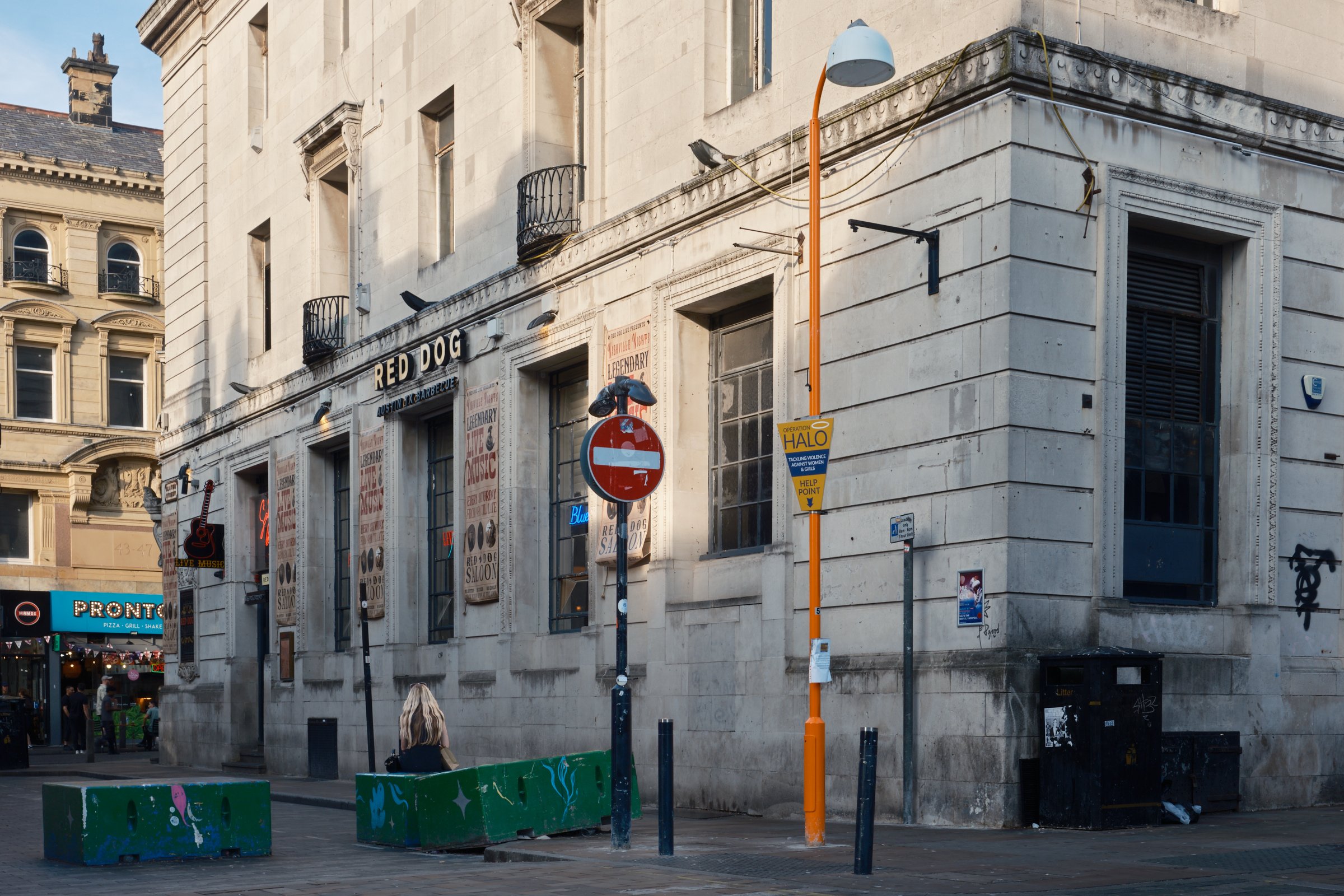
01 - Extended Frame: Under Watch. "A woman occupies public space within a wider environment of observation and potential vulnerability. The image invites consideration of what it means to feel safe in public, and of the unseen social conditions that shape that experience".
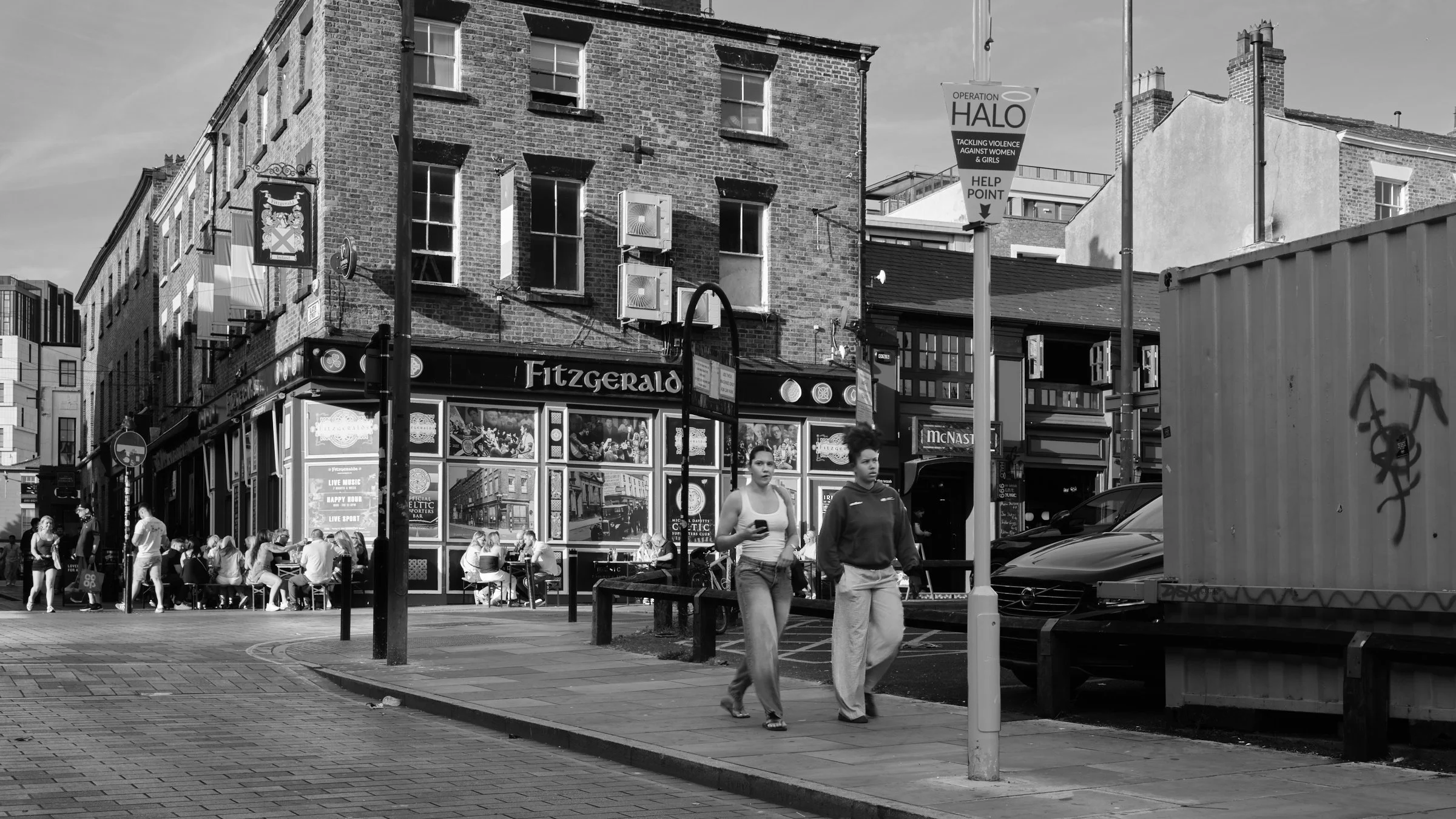
02 - The Extended Frame: Who Watches Us? "The subject's direct gaze unsettles the photographer's position as observer. Attention shifts from the person being photographed to the act of looking itself, raising questions about who observes, who is observed and who holds the power to represent whom".
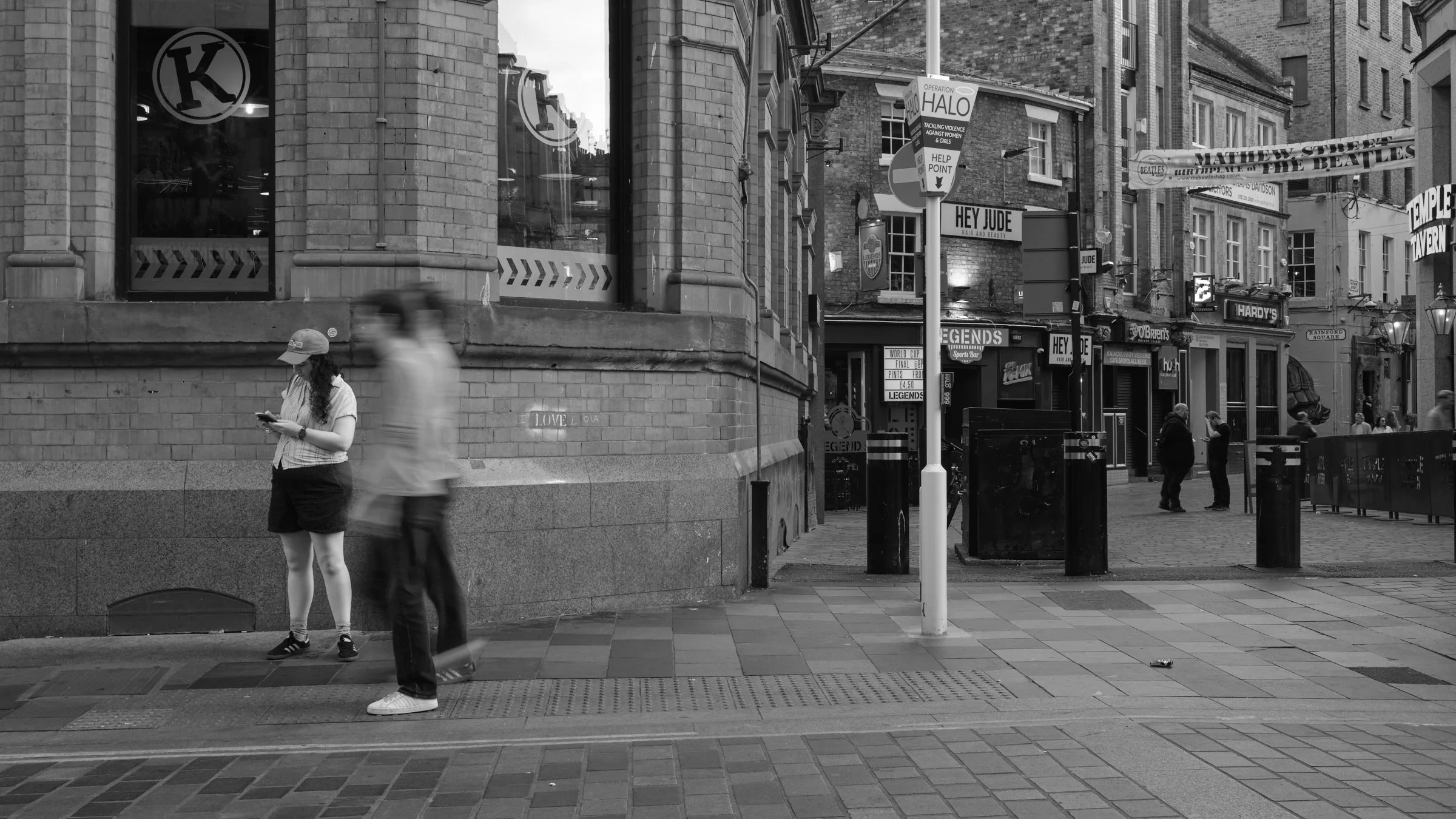
03 - The Extended Frame: The Shadow of Threat. The ghost-like male figures evoke the possibility of intimidation and aggression within public space. Their presence, set against the apparently unaware woman, gives visual form to a perceived threat and establishes the social rationale for protection initiatives such as Operation Halo.
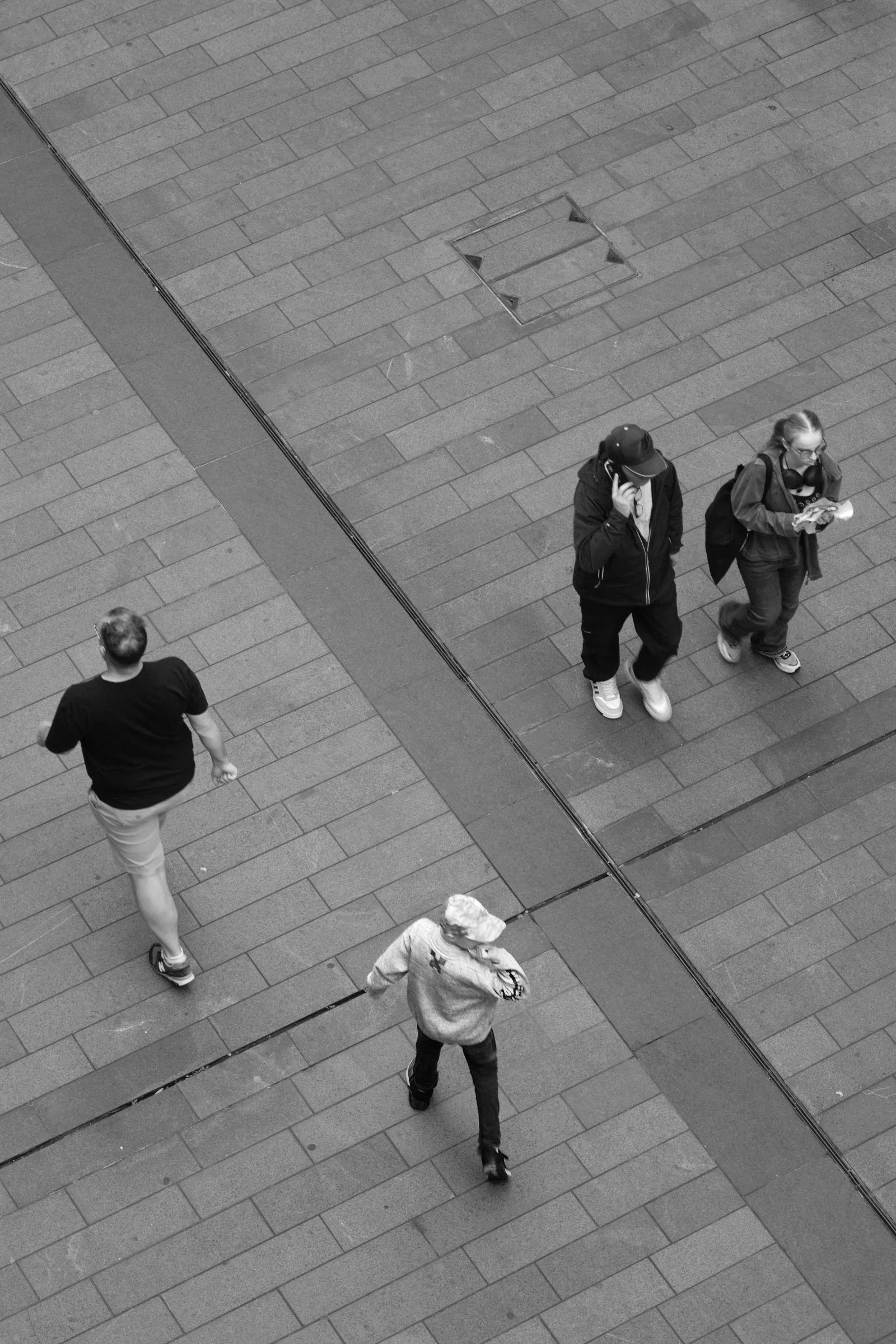
04 - The Extended Frame: The Surveillance Gaze. "Who watches us?".
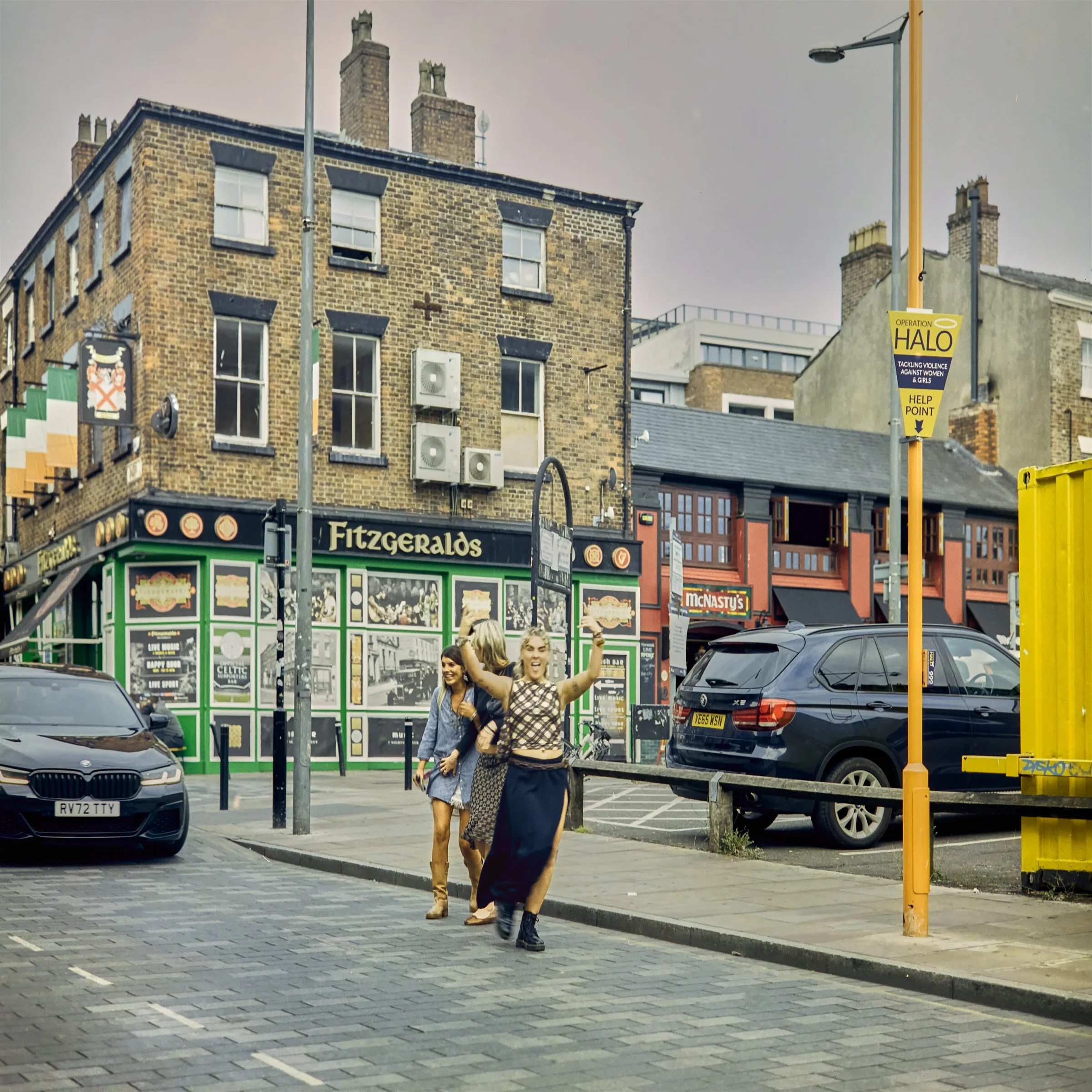
05 - The Extended Frame: The Protective Gaze. "Who watches over us?".
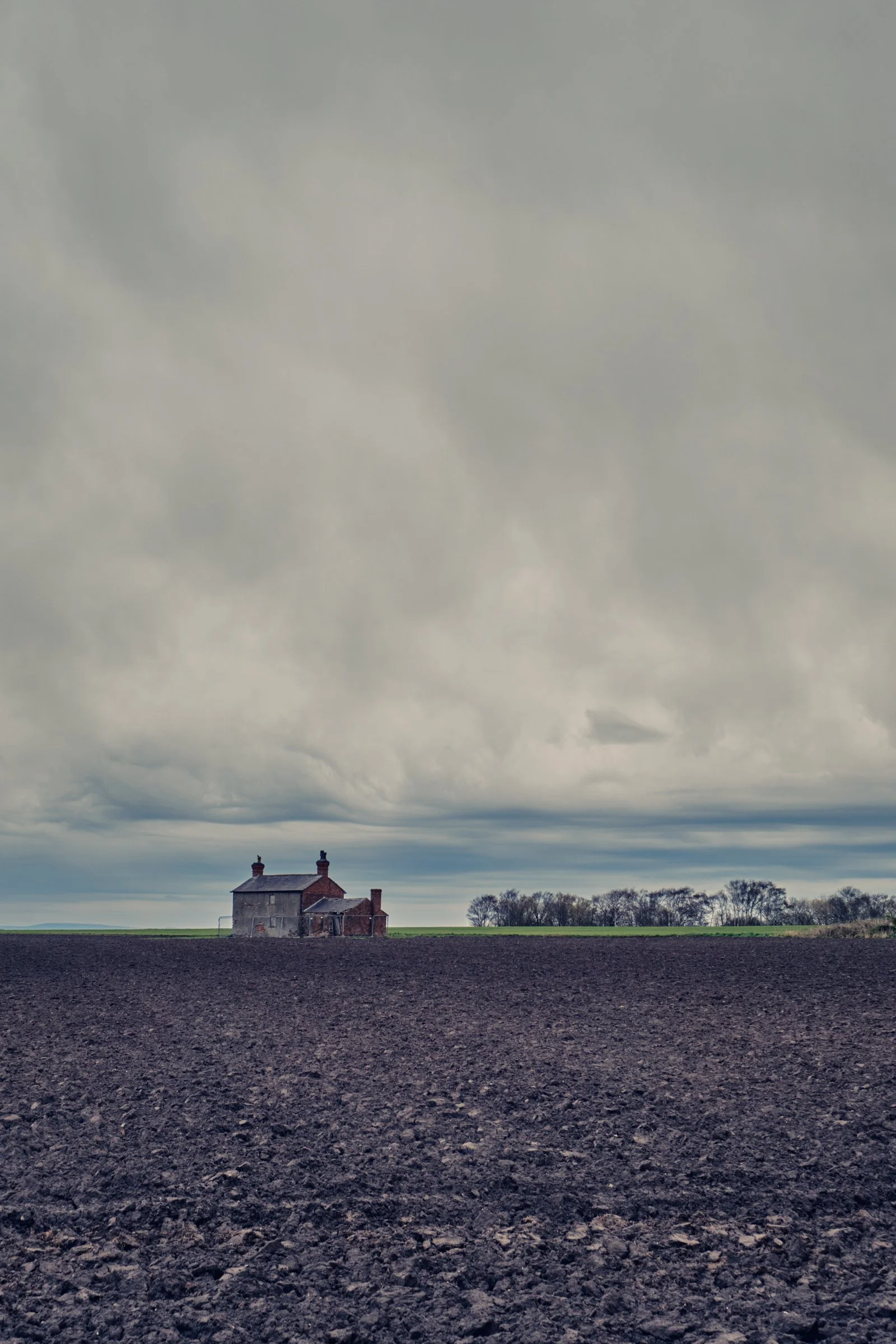
06 - The Lost Lake: Lost Lake. "A landscape carries the traces of what has been changed or removed. The former lake becomes more than a physical location: it frames the consequences of reshaping an environment for human use".
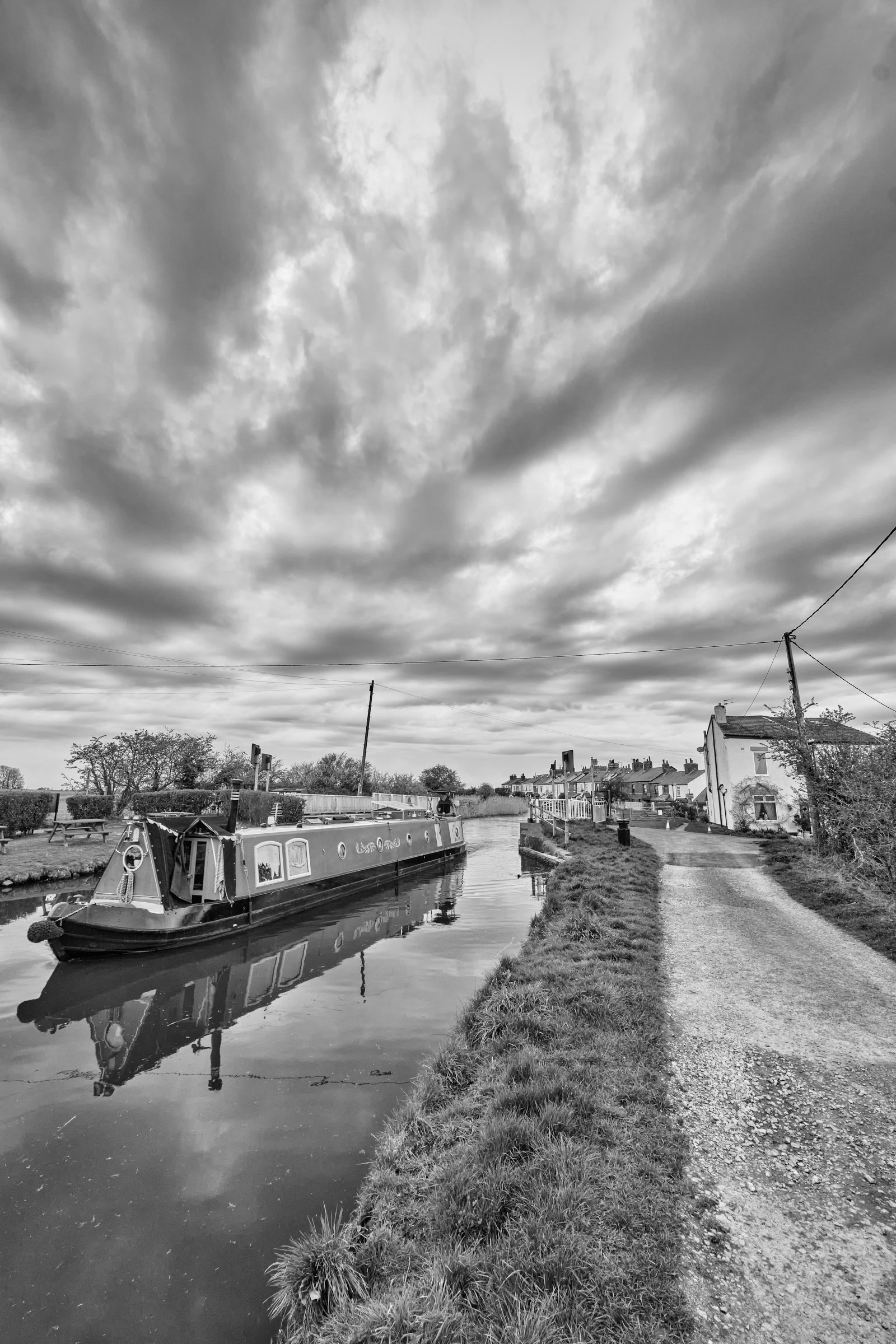
07 - The Lost Lake: The Altered Ground. The land is not simply a natural setting but a record of human intervention. Its agricultural transformation raises questions about what is gained through cultivation and what may be displaced in the process.
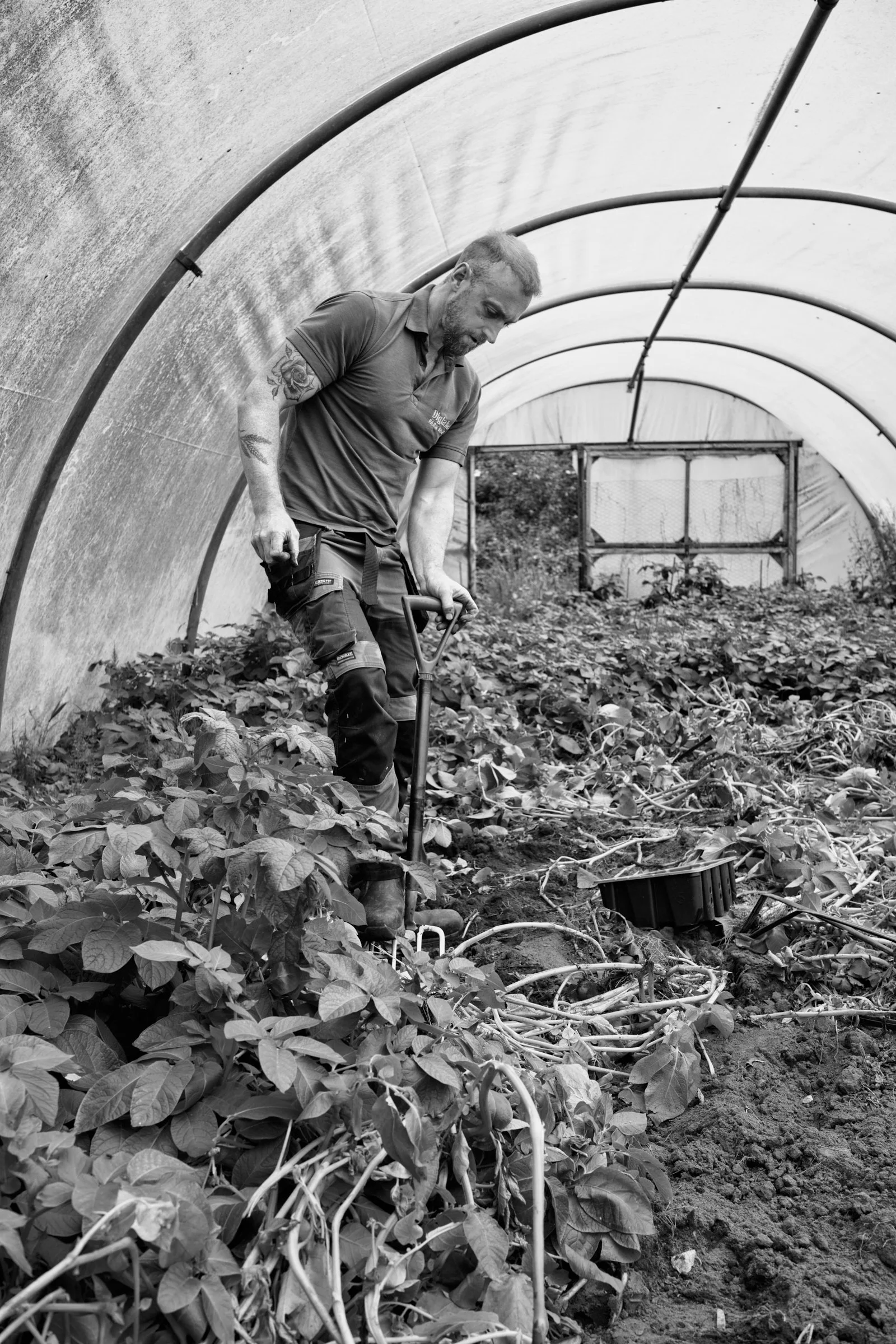
08 - The Lost Lake: Ulster Prince. "The potato harvest makes visible one stage in the relationship between cultivated land and human sustenance. Production depends on the ground beneath it, connecting the apparent productivity of the present to the landscape's longer history of change".
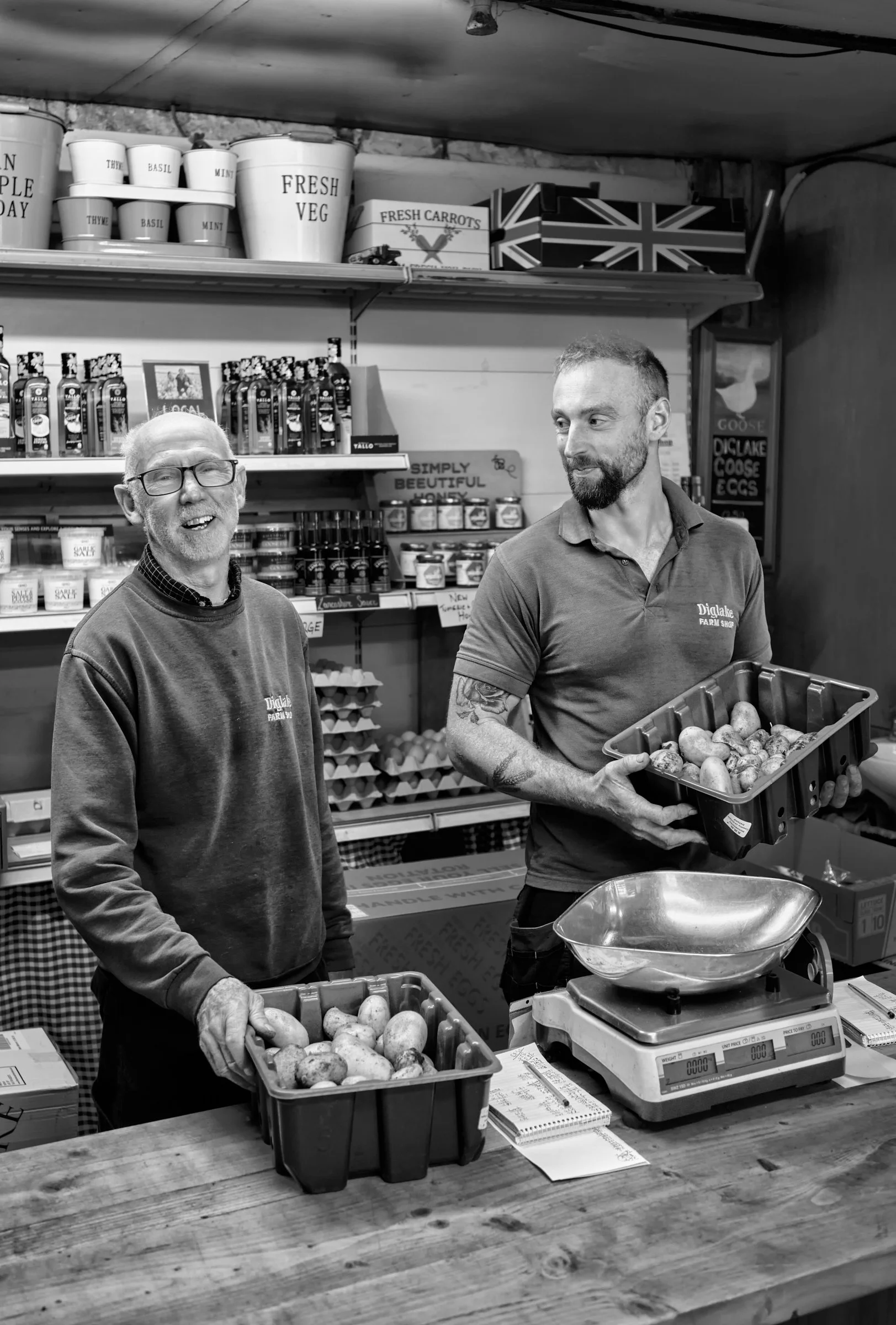
09 - The Lost Lake: From Field to Table. "The farm shop brings agricultural production into the social world of exchange. Through the relationship between generations, the image connects the sale of produce with family, livelihood and the continuation of a farming tradition".
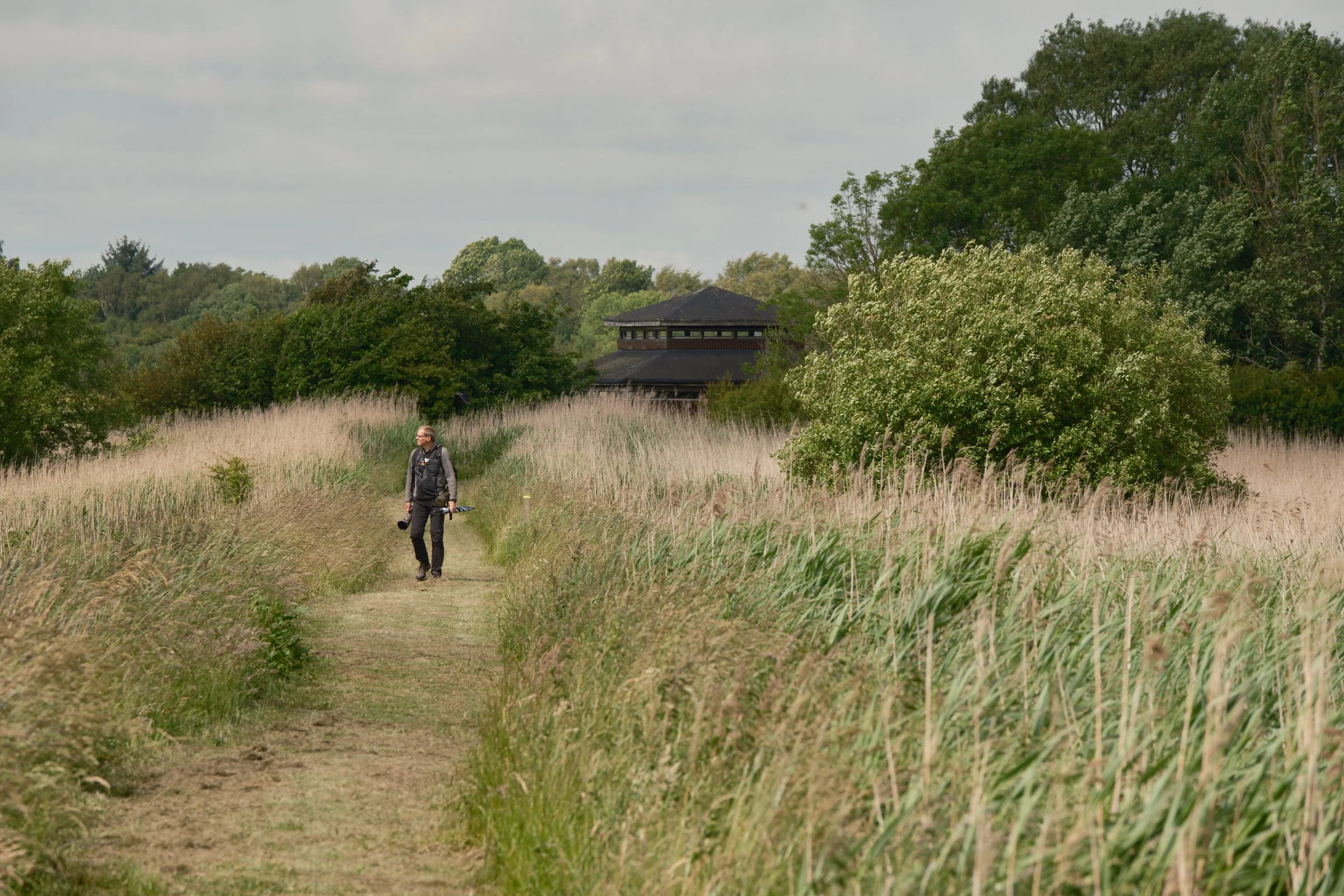
10 - The Lost Lake: The Return of the Lake. Water returns to a landscape previously reshaped for agricultural use. The restored lake closes the sequence by bringing environmental recovery into view, while leaving open the question of how nature and human land use can coexist.
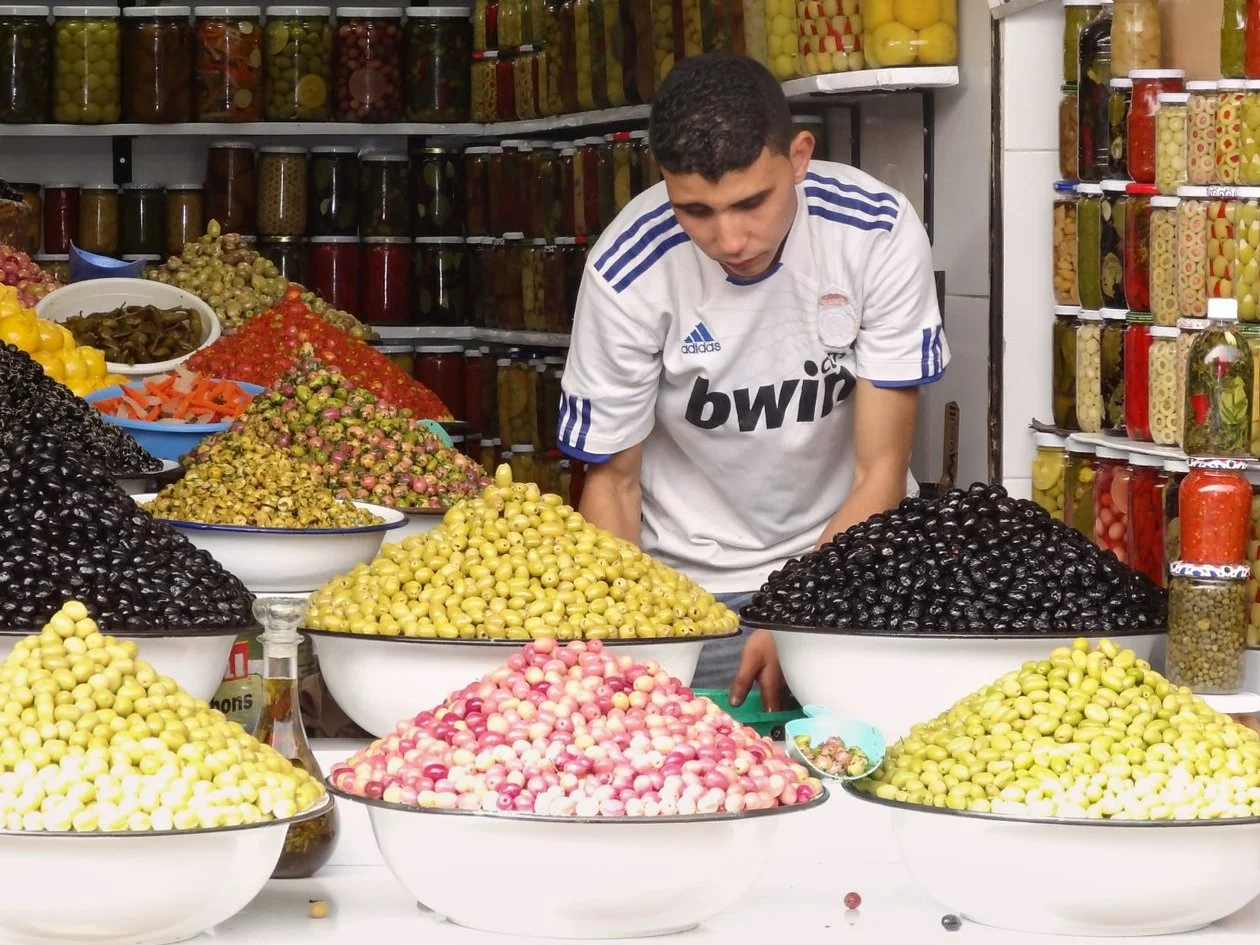
11 - The Olive Seller. Visual emphasis: individual identity, occupation and social setting. "A person is encountered through the work they do and the social setting in which they do it. The photograph considers how occupation shapes public identity, while leaving the individual present beyond the role of seller".
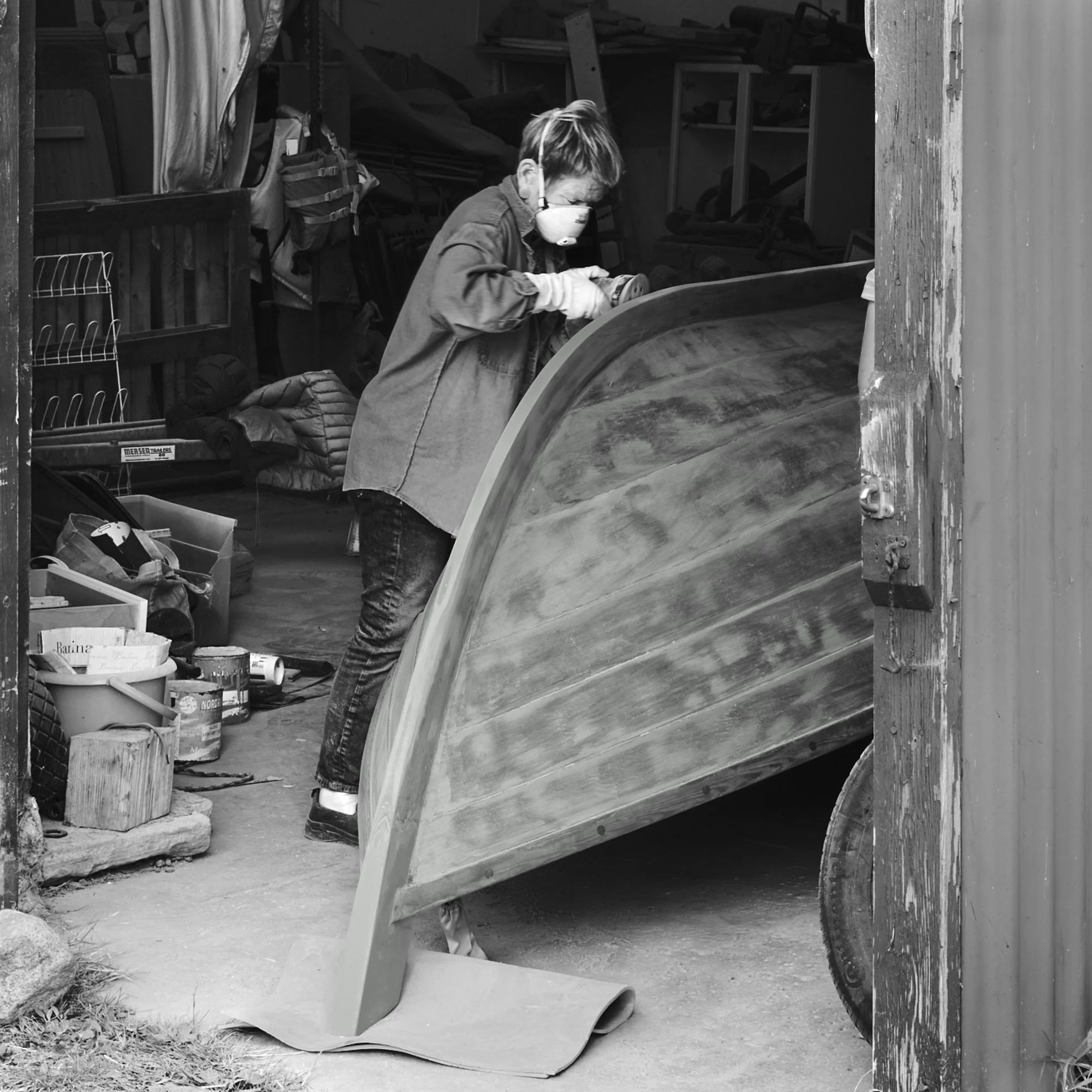
12 - The Restorer. Visual emphasis: The restorer’s skilled hands and use of tools, bringing traditional boatbuilding craftsmanship into the present through practical work and technological adaptation. "Traditional craftsmanship meets modern tools in the restoration of a wooden boat. Through skilled labour and the use of contemporary tools, the image explores how practical knowledge, community and a working relationship with place are sustained over time".

13 - A Proper Little Lady. Visual emphasis: the child's presentation and the cultural reading of femininity. "How do family, culture and society shape the expectations we place on girls as they grow up?".